Quinn Powell · 16 September 2026
Navigating Revenue Shifts After Platform Infrastructure Updates in Digital Ventures
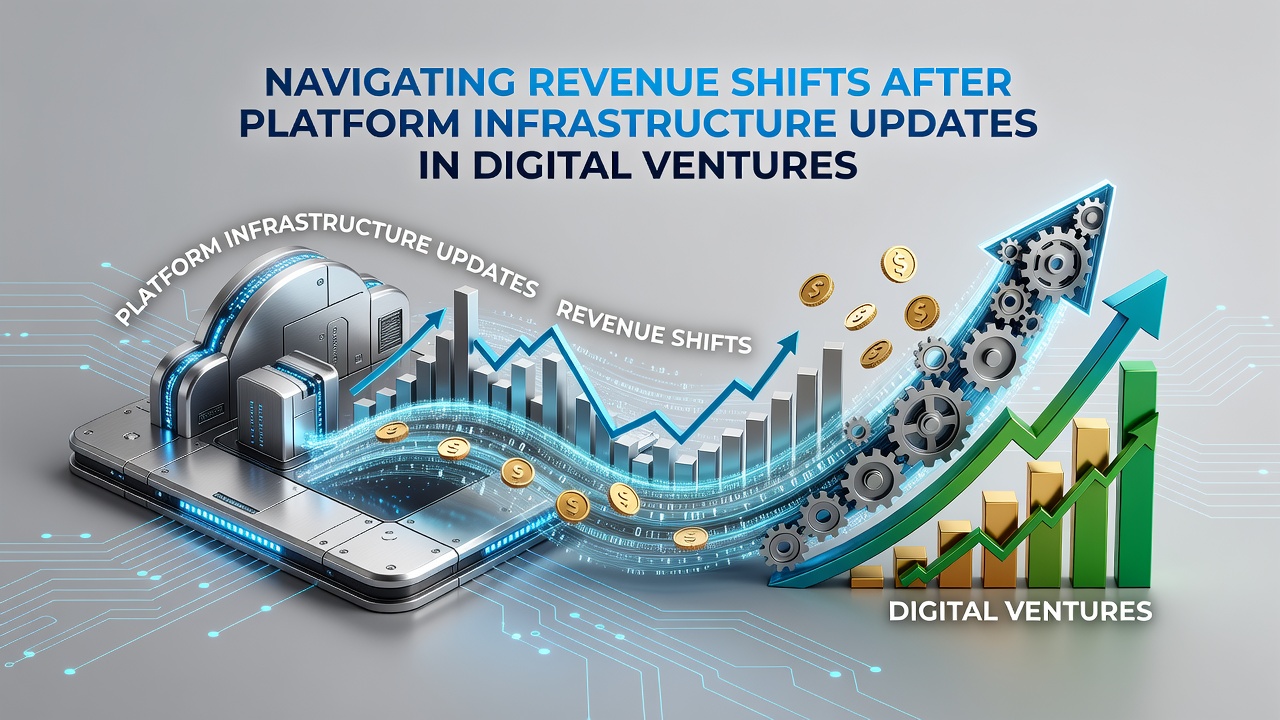
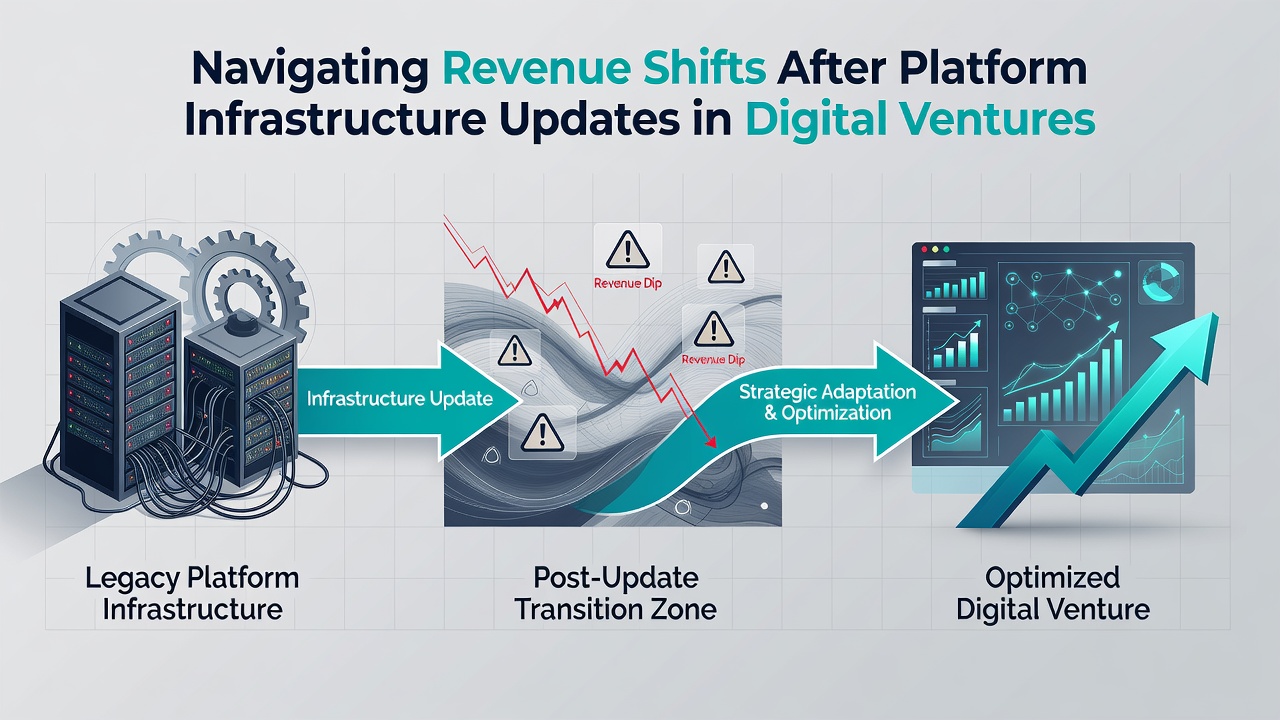
Platform infrastructure updates in digital ventures often trigger measurable revenue fluctuations, and observers note that these changes stem from shifts in system performance, user access patterns, and monetization pathways. Data from industry reports shows that cloud migrations, API revisions, and backend overhauls can alter traffic flow within weeks, while studies from research institutions indicate that downtime during transitions frequently correlates with temporary drops in subscription renewals or ad impressions. Those who've tracked such updates across multiple ventures point out that revenue recovery timelines vary based on the scale of the change and the preparedness of the operations team.
Key Drivers Behind Revenue Adjustments
Experts have observed that infrastructure updates frequently involve scaling server capacity or integrating new security protocols, and these modifications can affect load times which in turn influence conversion rates. According to figures from the European Commission on digital single market performance, faster processing after an update sometimes boosts engagement metrics, yet initial glitches during rollout have led to measurable churn in user bases. Researchers discovered in one analysis of SaaS platforms that API deprecations forced third-party integrations to pause, resulting in interrupted payment processing that directly reduced monthly recurring revenue by percentages documented in quarterly filings. But here's the thing: ventures that maintain redundant systems during these periods tend to limit the scope of such losses, as data indicates smoother handoffs preserve transaction continuity.
Case Examples From Recent Transitions
Take one e-commerce venture that migrated its database architecture in early 2025, where observers recorded a 12 percent dip in checkout completions during the first month post-update, followed by stabilization once caching layers were optimized. Another instance involved a content delivery network refresh for a media streaming service, and figures reveal that ad revenue recovered within eight weeks after search engine indexing adjusted to the new site structure. People who've studied these patterns know that geographic factors play a role too, with ventures operating across multiple regions facing compounded effects from varying regulatory compliance requirements during updates.
What's interesting is how September 2026 has been flagged in several forward-looking reports as a period when major cloud providers plan phased rollouts of enhanced edge computing features, and analysts project that digital ventures relying on legacy setups may encounter revenue volatility if they delay preparations. Evidence from OECD digital economy assessments suggests that companies adopting hybrid infrastructure models ahead of such timelines experience fewer disruptions in billing cycles and affiliate payouts. Those monitoring the space note that proactive testing of revenue dashboards before full deployment helps identify anomalies in real time, allowing teams to adjust pricing tiers or promotional campaigns without extended interruptions.
Monitoring and Adaptation Approaches
Researchers have found that implementing automated alerts for key performance indicators such as session duration and transaction success rates enables quicker responses to post-update shifts. Data shows that ventures incorporating A/B testing frameworks during infrastructure transitions often maintain steadier revenue streams, because they can isolate variables like page load speeds or payment gateway reliability. According to a report issued by the Australian Competition and Consumer Commission on digital platform operations, transparent communication with users about scheduled maintenance correlates with lower unsubscribe rates in subscription-based models. And yet the reality is that not every update produces uniform outcomes, since factors like user demographics and content type influence how audiences react to altered interfaces or functionalities.
Industry organizations tracking digital commerce trends report that cross-functional teams combining engineering and finance expertise tend to navigate these periods more effectively, as they align technical changes with revenue forecasting models. One study revealed that ventures using predictive analytics tools prior to major updates reduced forecast errors by up to 18 percent in the subsequent quarter. Observers note that external dependencies, such as third-party analytics providers or payment processors, require coordinated testing to avoid cascading revenue impacts when core platforms refresh their underlying codebases.
Conclusion
Platform infrastructure updates continue to reshape revenue trajectories in digital ventures through a combination of technical and operational variables, and evidence from multiple sources underscores the value of structured preparation and ongoing measurement. Those who integrate insights from regulatory bodies and academic analyses into their planning processes position their operations to handle fluctuations with greater precision, while coordinated monitoring across departments supports more consistent financial outcomes over time.